
🔬 R&D & Scale-Up
Siemens Stiftung: Scaling ApneBoot for Apnea Management
7 Indian states, incl. Nandurbar & Akola government hospitals, Maharashtra
Funder
Siemens Stiftung
Timeline
May 2019 – December 2020
Products
Location
7 Indian states, incl. Nandurbar & Akola government hospitals, Maharashtra
Overview
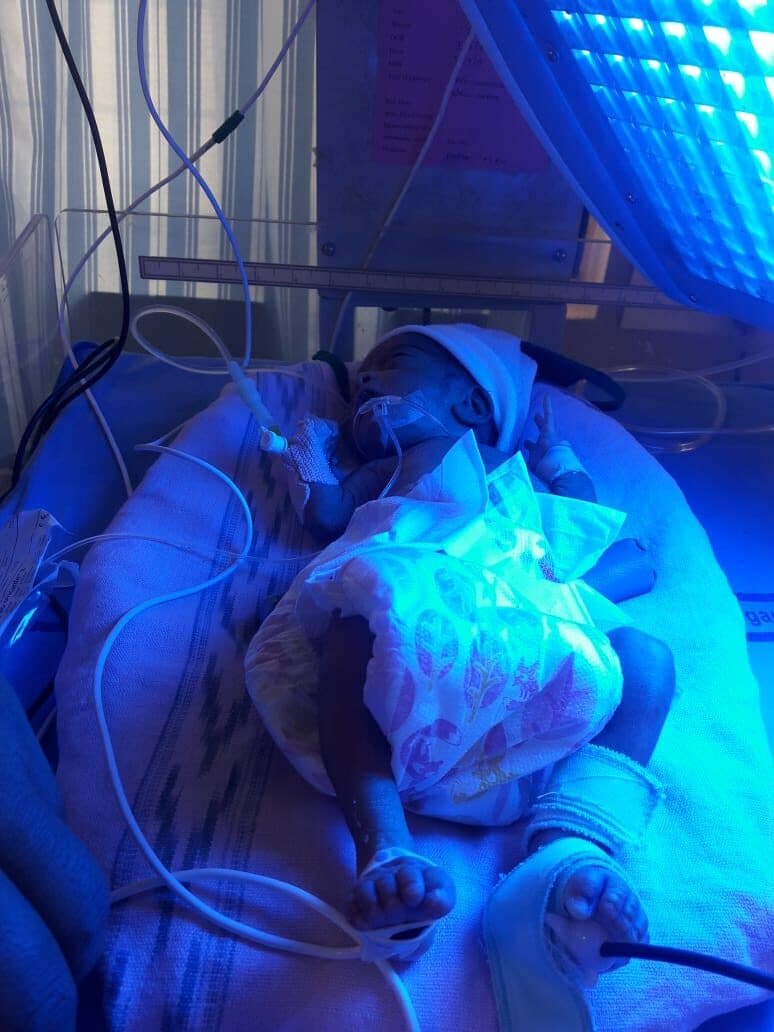
The Siemens Stiftung Foundation awarded BEMPU Health a grant to develop a solution for managing Apnea of Prematurity in preterm neonates born in low-resource settings. The result was ApneBoot — a wearable device that alerts for bradycardia and hypoxia, and resolves apnea and prolonged hypoxia episodes through instantaneous tactile stimulation to the foot sole, helping restart breathing and preventing injury or death.
With Siemens Stiftung's support, BEMPU expanded market validation to 6 Indian cities, pitching the device to 35 government and private hospitals. 23 hospitals trialed ApneBoot in their NICUs, and 5 adopted it on a trial basis — feedback that directly shaped product refinements, including dual apnea-correction and monitoring modes, customizable thresholds, and continuous AC power operation.
ApneBoot was implemented in hospitals across 7 Indian states (Maharashtra, Delhi, Karnataka, Telangana, Rajasthan, Bihar, Uttar Pradesh), selected for their high burden of premature births and limited health infrastructure. In mid-2020, the project won the State Innovation Challenge by the Maharashtra State Innovation Society, leading to a work order from the National Health Mission, Maharashtra — the second most populous state in India, with 36 SNCUs and 74% of facilities reporting inadequate nursing staff. The work order covered 15 ApneBoot devices for two remote government hospitals in Akola and Nandurbar, semi-rural and tribal regions with a high volume of premature births.
Beyond India, more than 10 ApneBoot units were deployed in Mongolia and Kenya combined, with channel partners marketing the device across other East African countries. To support continued deployment, BEMPU invested in tooling and production, building 60 ApneBoot devices, and pursued ISO 13485:2016 certification to facilitate government procurement.
Results Achieved
56
ApneBoot devices in implementation (May 2019 – Dec 2020)
728
Newborn lives touched through the program
2,016
Newborn lives continuing to be touched beyond 2 years
285
Newborn lives improved (est.)
120
Health workers trained (approx., 75% female)
750
Doctors & nurses reached via outreach and awareness (approx.)
Project Activities
- Market validation across 6 Indian cities, pitched to 35 government and private hospitals
- Product refinement based on doctor and nurse feedback — dual apnea-correction/monitoring modes, customizable thresholds, continuous AC power
- Deployment across 7 Indian states via a bottom-up, hospital-by-hospital adoption approach
- Won the State Innovation Challenge (Maharashtra State Innovation Society), leading to a National Health Mission Maharashtra work order for 15 units in Akola and Nandurbar government hospitals
- Expansion to Mongolia and Kenya via channel partners
- Investment in tooling and production — 60 ApneBoot units built
- ISO 13485:2016 certification pursued to support government procurement
- Randomised Controlled Trial initiated to drive evidence-based adoption
Partners
Photo Gallery
Click any image to view full-screen
Content sourced from BEMPU Health's Final Project Report to Siemens Stiftung, "Improved Apnea Management of Premature Newborns with ApneBoot" (May 2019 – December 2020).
More Partner Programs
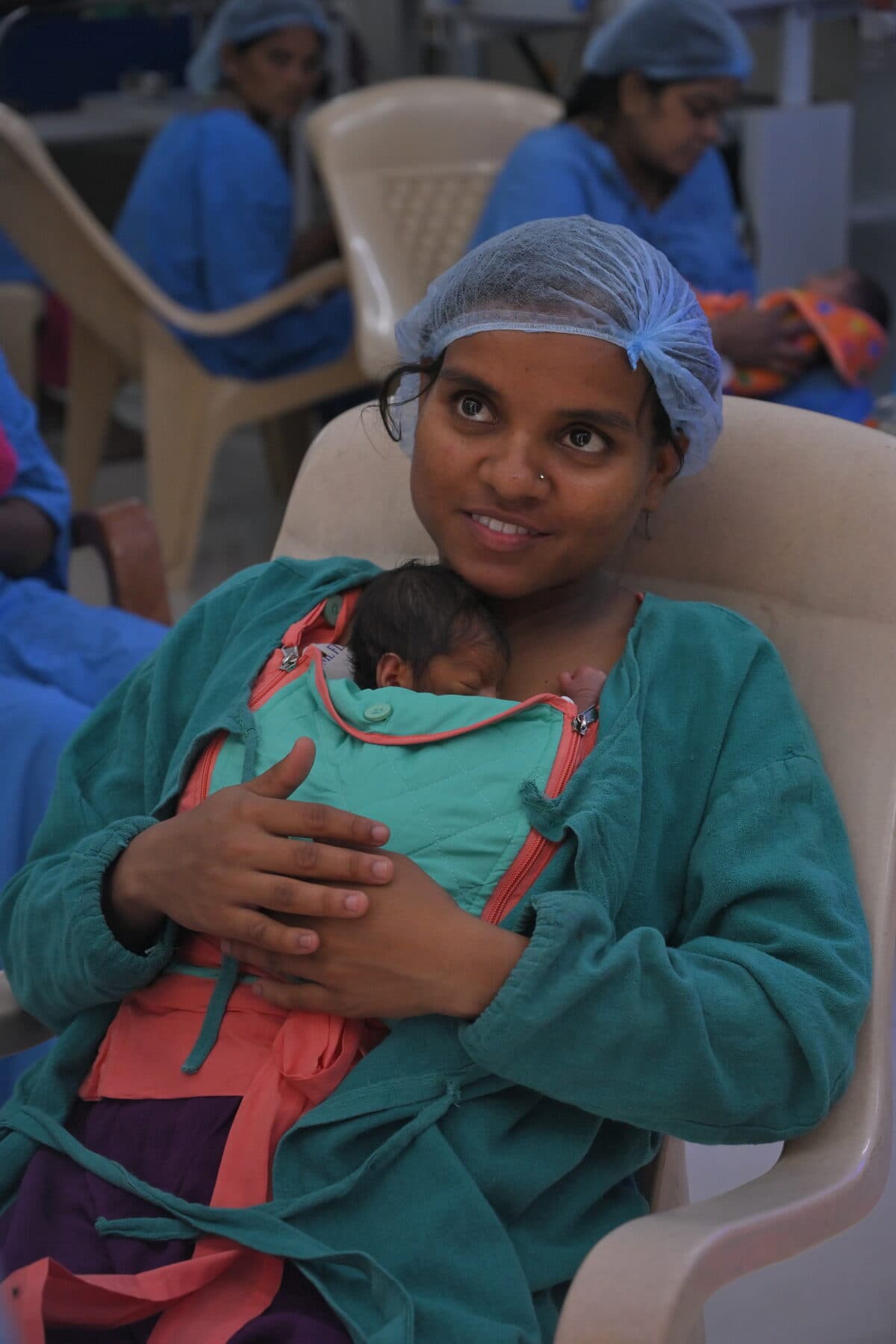
MNCH Tech Accelerator: TempWatch & KangaSling in Nandurbar
Reckitt (Banega Swasth India), Plan India
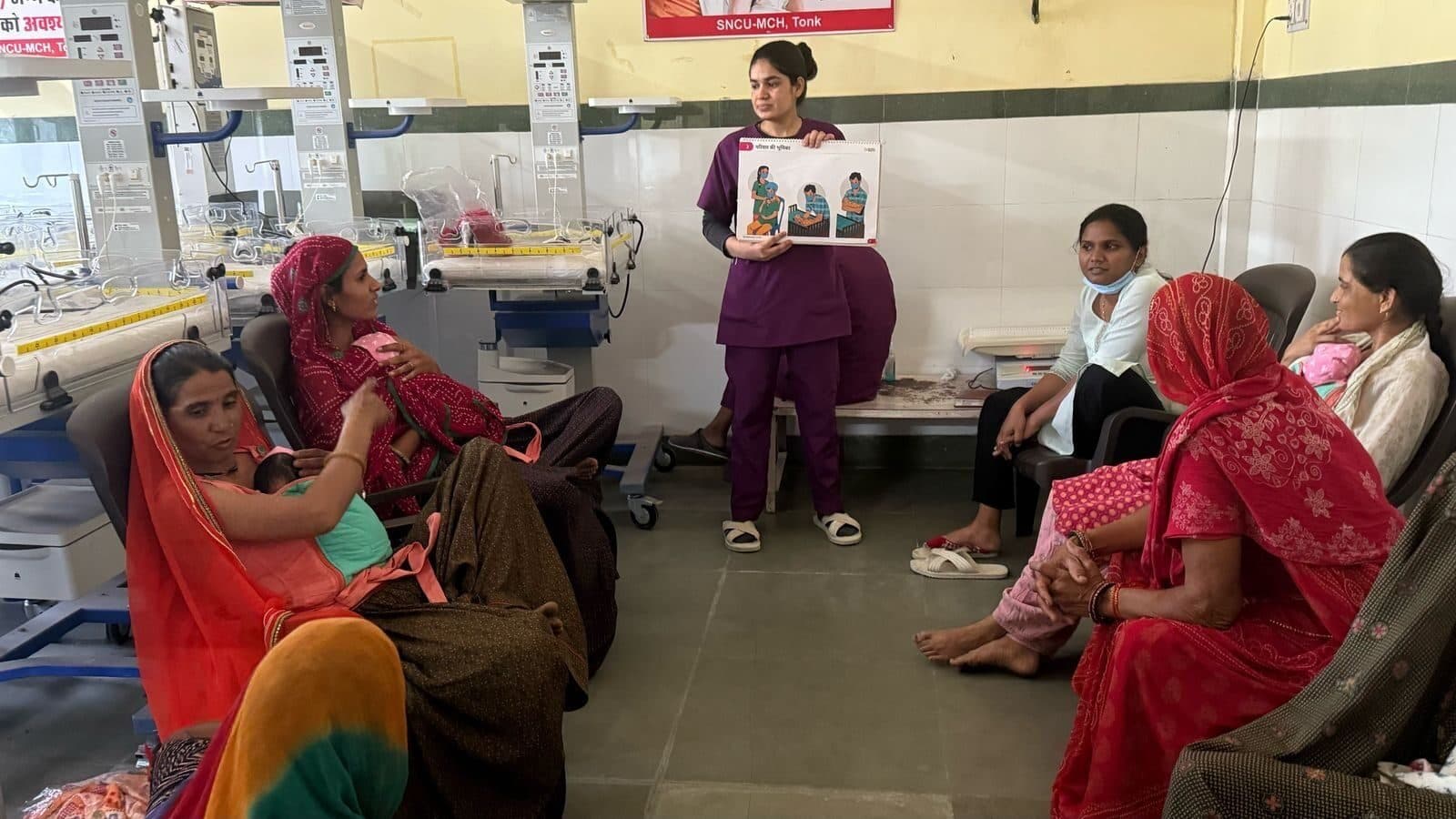
Scaling Kangaroo Mother Care Across 15 Government Centers in Rajasthan
ANSH, ANSH (Kangaroo Care India)
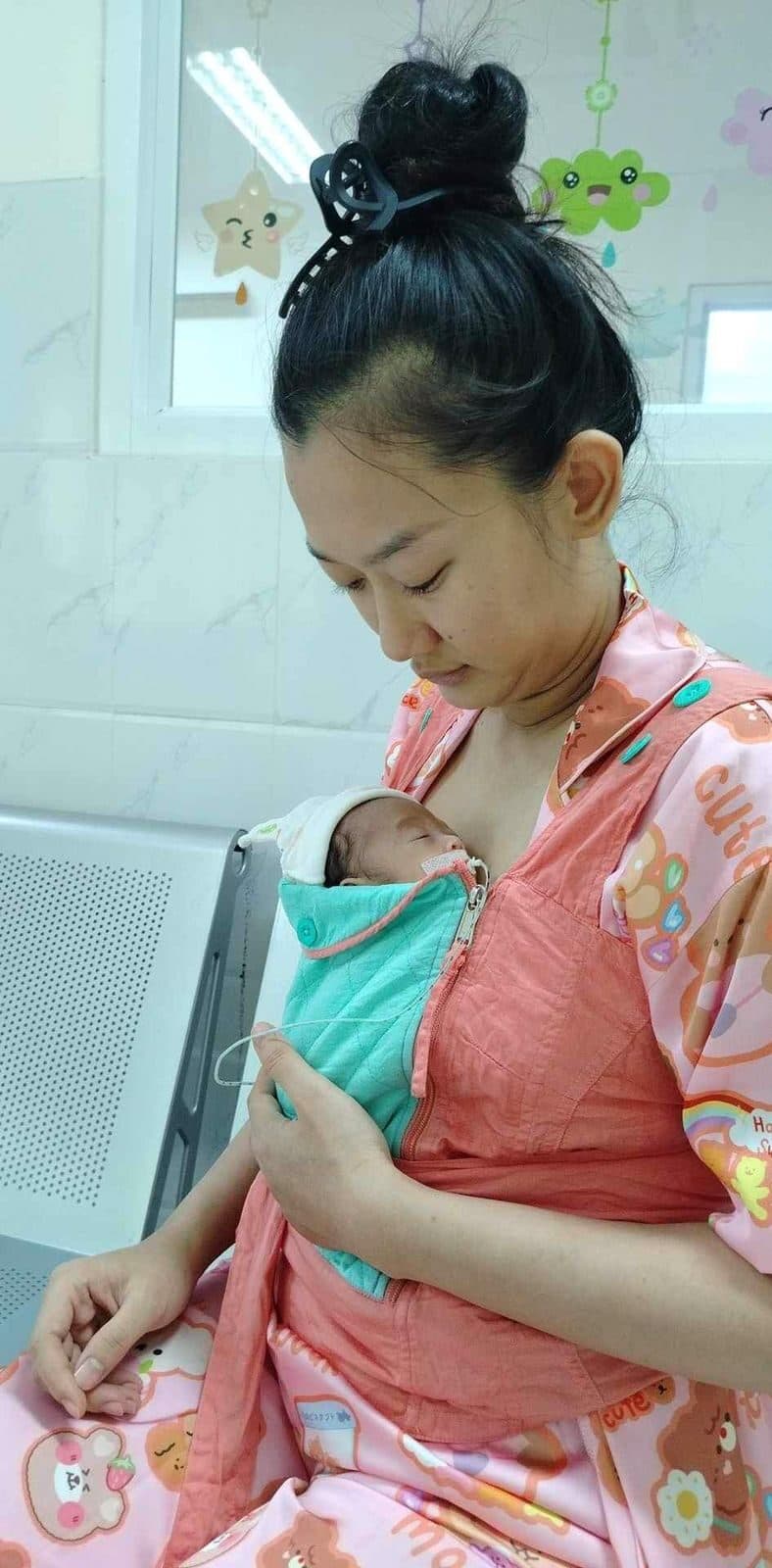
KangaSling for Premature Newborns at Calmette Hospital
Calmette Hospital
DHFL Foundation: Community Hypothermia Monitoring in Palghar
DHFL Foundation, Samhita
Enabel: Reducing Newborn Mortality in the Abomey-Calavi–Sô-Ava Health Zone
Enabel (Belgian Development Agency), Enabel
KangaGrow: A Smart Sling to Motivate Kangaroo Care
Bill & Melinda Gates Foundation, Niloufer Hospital, Hyderabad
Immediate Kangaroo Mother Care Study, Area 25 Hospital
Laerdal Foundation, Texas Children's Global Health
Papua New Guinea
UNICEF Papua New Guinea, CDC
Zimbabwe
German Committee for UNICEF, Health Development Fund (HDF)
Belize
Republic of Korea, UNICEF Belize
Benin
Enabel (Belgian Development Agency), UNICEF Benin
Cameroon
UNICEF Cameroon
Togo
UNICEF Togo
Guinea-Bissau
UNICEF Guinea-Bissau
Burkina Faso
UNICEF Burkina Faso
Côte d'Ivoire
UNICEF Côte d'Ivoire
Iraq
UNICEF Iraq
Pakistan
UNICEF Pakistan
Nepal
UNICEF Nepal, UNICEF Nepal
Congo-Brazzaville
UNICEF Congo-Brazzaville
Ghana
UNICEF Ghana, Korle Bu Teaching Hospital, Accra
Angola
UNICEF Angola
Yemen
UNICEF Yemen
Malawi
Laerdal Saving Lives, Baylor College of Medicine
Chad
UNICEF Chad
Fund the next deployment.
Help us bring life-saving newborn monitoring to more hospitals and communities.